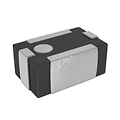
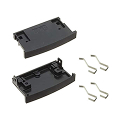
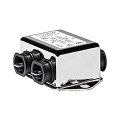
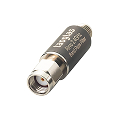
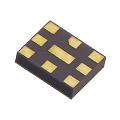
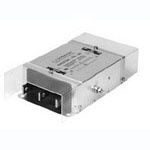
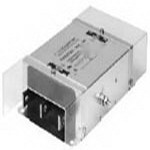
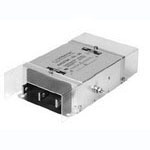
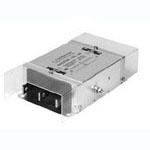
Filters are magnetic and electronic components that suppress unwanted electromagnetic interference (EMI) and radio-frequency interference (RFI), reduce noise, and condition signals on power and data lines. These electronic components serve industrial, telecommunications, medical, automotive, and consumer electronics applications, where clean power and reliable signal integrity prevent failures, meet regulatory limits, and protect sensitive circuitry.
Online Components maintains a reliable U.S.-based inventory and offers fast shipping, providing procurement teams with confidence that parts will arrive on schedule and meet traceability requirements. Our selection includes ferrite beads, common-mode chokes, LC power-line filters, integrated EMI/RFI modules, and packaged power filters from major manufacturers, offering both through-hole and surface-mount options with published performance curves.
How to Choose the Right Filters for Electronic Components
Start by identifying the type of noise and frequency band you need to reduce. Common-mode chokes are most effective in reducing common-mode noise. LC or pi filters handle differential noise and ripple more effectively. Next, verify electrical ratings like current capacity, DC (direct current) resistance (DCR), voltage rating, insertion loss, and saturation characteristics so the filter operates reliably under load and temperature.
Mechanical requirements count too. Package style, board footprint, height constraints, and thermal dissipation can eliminate otherwise suitable parts. Consider regulatory and industry certifications early in your process. Automotive and medical projects often need AEC-Q (Automotive Electronics Council qualification) or specific IEC (International Electrotechnical Commission) and CISPR (International Special Committee on Radio Interference) compliance.
Popular Applications for Electronic Component Filters
Power supplies and DC-DC (direct current to direct current) converters need filters for input and output filtering that meet conducted emissions limits and protect downstream circuitry. Networking equipment, servers, and telecom systems rely on high-quality common-mode chokes and differential filters to maintain high-speed signal integrity and minimize bit errors.
Automotive electronics, industrial controls, and aerospace systems need rugged filters that withstand vibration, wide temperature ranges, and prolonged service life while maintaining electromagnetic compatibility (EMC). Medical instrumentation and test equipment use precision filters to prevent interference from corrupting sensitive measurements and patient safety systems.
Why Buy Filters Electronic Components from Online Components?
Buying filters from Online Components gives you access to U.S.-based stock, authenticated supplier relationships, and transparent stock counts with minimum order quantity (MOQ) options that simplify planning and inventory management. Our technical sales and sourcing teams assist with cross-references, specification checks, and qualified alternatives, enabling a smooth transition from prototype to production. Streamlined online ordering, request-a-quote tools, and expedited shipping options keep projects on track.
Filters Electronic Components: What You Need to Know
What's the difference between common-mode and differential-mode filters?
Common-mode filters suppress noise that appears equally on two conductors relative to ground, while differential-mode filters target noise between conductors. Pick the topology that addresses how interference couples into your system.
How do I read an impedance vs frequency curve?
An impedance vs frequency curve shows the frequency bands where the filter offers the most suppression. Match the curve to your dominant noise frequencies for effective reduction.
Can I substitute a higher current-rated choke?
If a choke is saturating under DC bias, a higher current-rated device or different core material will preserve inductance under load. Verify the footprint and thermal limits before making any substitutions.
Which standards should I check for regulated products?
Review IEC and CISPR standards for EMI compliance and AEC-Q qualifications for automotive products. Confirm any sector-specific requirements for medical or aerospace use.
 contattaci
 English
 Chinese
 Italiano
 Portuguese
 Deutschland
 French
 Russian
 Japanese
 Turkish
 Korean
 Spanish