variable resistors
-
- encoders (100)
- solenoids, motors & drives (85)
-
switches (14.296)
- basic / snap action switches (2.903)
- contact blocks (197)
- detector switches (11)
- dip switches (135)
- emergency stop switches (197)
- joysticks (172)
- keyboard switches (46)
- keylock switches (95)
- limit switches (1.983)
- piezo switches (70)
- push button switches (1.274)
- reed switches (24)
- rocker switches (1.835)
- rotary switches (20)
- safety interlock switches (393)
- selector switches (58)
- slide switches (14)
- switch accessories (1.883)
- switch foot (20)
- switch indicators (66)
- switch other (121)
- tactile switches (627)
- thumb-pushwheel switches (1)
- toggle switches (2.151)
-
-
electromechanical relays (3.056)
- automotive relays (29)
- contactors (234)
- high amp relays (100 amps to 500 amps) (31)
- high frequency relays (78)
- high voltage relays (211)
- medium power relays (3.1 amps to 19.9 amps) (1.268)
- others (8)
- power relays (20 amps to 99.9 amps) (579)
- reed relays (5)
- safety relays (94)
- signal relays (dry to 3 amps) (519)
- military / aerospace / high reliability relays (381)
- relay sockets & accessories (58)
- solid state (1.024)
- timer relays (137)
-
electromechanical relays (3.056)
-
- accessories (40)
- audio components (588)
- magnetic sensors (18)
- pressure sensors (1.497)
-
sensors (2.410)
- air quality sensors (1)
- current sensors (104)
- flow sensors (36)
- force sensors & load cells (27)
- hall effect sensors (144)
- humidity (17)
- level sensor (19)
- photoelectric sensor (455)
- position sensor (99)
- proximity sensors (1.047)
- sensor misc (1)
- specialized sensor (20)
- thermistors & rtds (137)
- thermostats (262)
- variable reluctance sensors (41)
- temperature sensors (39)
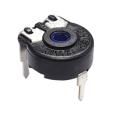
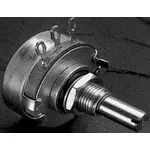
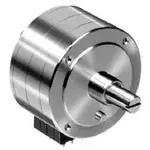
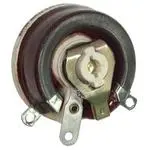
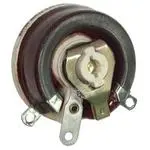
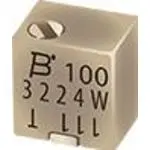
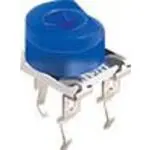
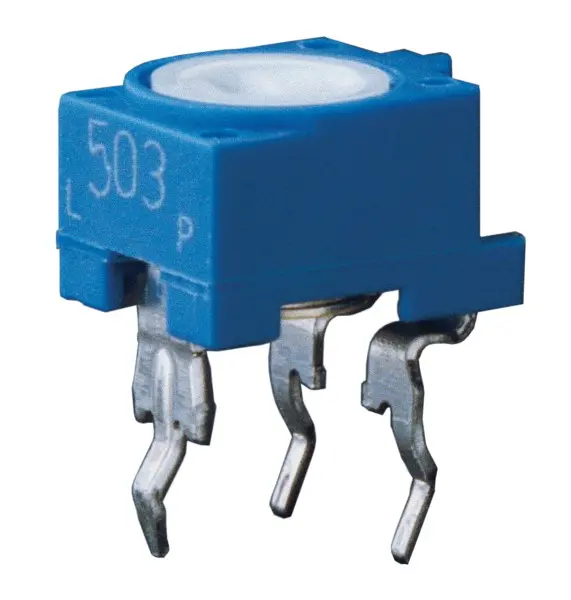
Variable resistors are adjustable electronic components that give you precise control over electrical resistance in a circuit. They're vital for tuning, calibration, and signal adjustment across a wide range of applications. You might know them as potentiometers, trimmer potentiometers, or rheostats - they're all core building blocks in modern electronics. Online Components has built its reputation on reliable stock, U.S.-based shipping, and a commitment to prioritizing customer satisfaction. We maintain a ready-to-ship inventory, ensuring that engineers, technicians, and buyers receive genuine, in-stock parts promptly.
We offer an extensive selection of variable resistors from industry leaders, including Bourns, Honeywell, Same Sky, and TE Connectivity. Choose from rotary potentiometers, printed circuit boards (PCB) trimmers, and robust rheostats. Available options cover a wide range of resistance and power, feature varied adjustment mechanisms, offer multiple mounting types, and offer different sealing or material options for demanding environments. Whether you're designing audio equipment, calibrating tests, or building control panels, you'll find the right fit for your project.
How to Choose the Right Variable Resistor
Start by confirming your resistance range. The component needs to match your circuit's electrical requirements for optimal function. Check the power rating next. This indicates the maximum electrical energy the variable resistor can handle without overheating. Select the right power rating, and you'll achieve long-term reliability. Consider adjustment style and mounting as well: rotary potentiometers are well-suited for frequent manual adjustments, while trimmer potentiometers are ideal for fine-tuning during setup or maintenance. Working in environments with vibration or harsh elements? Look for sealed or ruggedized models for extended service life.
Popular Applications for Variable Resistors
Variable resistors serve key roles across several industries and product categories. In audio equipment, they're the familiar volume and tone controls on mixers, amplifiers, and speakers. Industrial automation uses them for calibrating sensors, adjusting setpoints, and managing power distribution. Test and measurement equipment relies on variable resistors for precise calibration and zeroing. Consumer electronics utilize these components for adjusting screen brightness, contrast, and user controls. Automotive systems depend on variable resistors to calibrate dashboard lighting, sensor feedback, and many other vehicle functions. Their versatility makes them a mainstay wherever real-time adjustments to electrical parameters are needed.
Why Buy Variable Resistors from Online Components?
Source your variable resistors from Online Components, and you get U.S.-based inventory, fast and dependable shipping, and parts only from authorized suppliers. This guarantees product authenticity, quality, and quick turnaround, essential for minimizing downtime and meeting tight project deadlines. Our knowledgeable customer service team is available to assist with technical questions and ordering support, ensuring a seamless experience from search to checkout. The online ordering platform makes it simple to find, filter, and buy exactly what you need. Shop variable resistors now for fast shipping, trusted quality, and unbeatable service.
Variable Resistors: What You Need to Know
What's the difference between a potentiometer and a rheostat?
A potentiometer, typically with three terminals, adjusts voltage in a circuit. A rheostat, which uses two terminals, controls the current. Both are variable resistors, but they serve different roles depending on the circuit design.
How do I select the correct resistance value?
Review your circuit's requirements or consult technical datasheets. Prototyping with a variable resistor on a breadboard gives you a practical way to pinpoint the ideal value for your application.
Can variable resistors handle high-power circuits?
Not all models suit high-power use. Always select a variable resistor with a power rating that meets or exceeds the demands of your circuit to prevent overheating or failure.
Are there options for harsh or outdoor environments?
Yes, many variable resistors come with sealed, moisture-resistant, or ruggedized housings for use in challenging conditions. Review product specifications to match the component to your environment.
See More