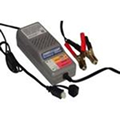
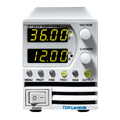
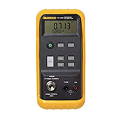
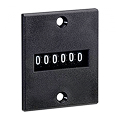
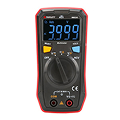
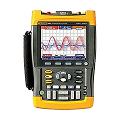
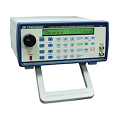
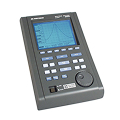
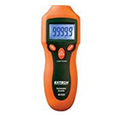
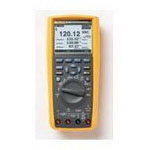
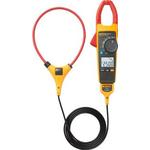
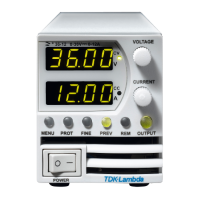
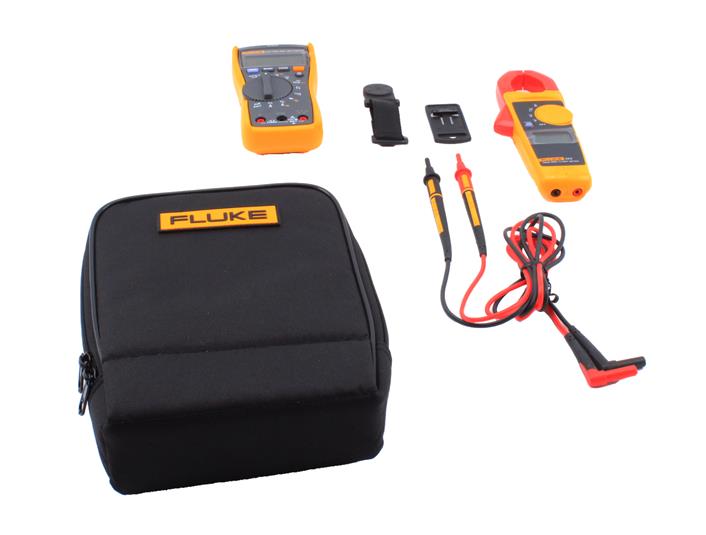
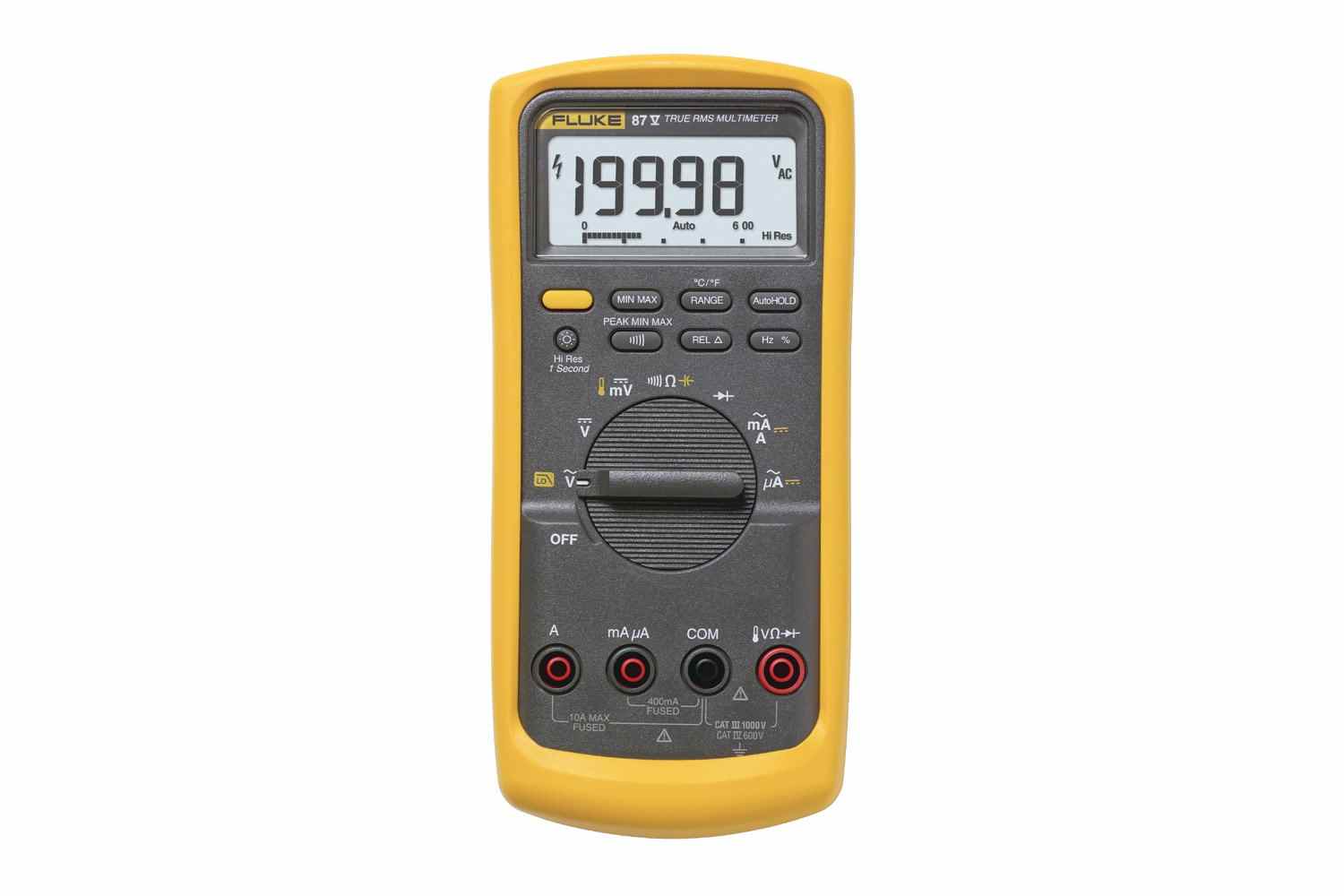
Electrical test equipment covers the tools you use to measure, analyze, and check the performance and safety of electrical and electronic systems. These instruments matter across manufacturing, power distribution, telecommunications, aerospace, and consumer electronics. At Online Components, you get deep U.S.-based inventory, fast shipping, and authorized sourcing. When your work depends on accurate measurements, you can move quickly and confidently.
Our selection includes digital multimeters, oscilloscopes, insulation testers, power-quality meters, and frequency measurement tools. Each product covers different specs: measurement range, accuracy class, input category ratings, display formats, and connectivity options. You might need handheld equipment for field service or bench-top instruments for lab work. Either way, the range lets you sort by performance, functionality, and cost.
Online Components keeps reliable stock levels, so you can find the correct configuration for a single unit or larger quantities that support your testing needs.
How to Choose the Right Electrical Test Equipment
Start with your measurement requirements. Do you need to measure voltage, current, resistance, insulation, frequency, waveform characteristics, or power quality? Each tool specializes in specific measurement categories and has its own accuracy rating, resolution, and input safety classification. Choosing equipment designed for the correct measurement type ensures accurate, safe results.
Environmental conditions matter, too. Field technicians often need portable, battery-powered, ruggedized tools that handle varied temperatures and vibration. Lab environments typically work better with bench-top instruments that offer higher precision, multiple channels, and advanced data-analysis capabilities. Connectivity (USB, LAN, or wireless interfaces) can influence your decision if your workflow includes logging, automation, or reporting.
Think about long-term value. Higher-end instruments cost more upfront but usually provide better accuracy, durability, and lower lifetime service requirements. Knowing calibration intervals, accessory availability, and overall system compatibility helps you get reliable performance over time.
Popular Applications for Electrical Test Equipment
Electrical test equipment works across a wide range of roles: field service technicians, R&D engineers, manufacturing teams, and safety inspectors. In production environments, these tools verify component performance, check continuity, and confirm systems meet regulatory standards. In power generation and utilities, insulation testers and power-quality analyzers help diagnose transformer issues, motor faults, and grounding problems.
Telecommunications teams use oscilloscopes and signal analyzers to manage network integrity, troubleshoot noise issues, and validate equipment performance. Aerospace and defense applications rely on high-accuracy measurements for qualification processes and mission-critical system testing. For consumer electronics and prototyping, test instruments help engineers diagnose circuit failures, verify design performance, and iterate quickly during development.
Why Buy Electrical Test Equipment from Online Components?
Online Components provides U.S.-based inventory, fast shipping, and a streamlined ordering experience. That matters when you need measurement tools urgently. All products come from authorized suppliers, so your equipment is authentic and meets manufacturer-backed standards. Our website lets you filter specifications, compare options, and place orders easily. Our customer service team is responsive and ready to help with selection or order status. When accuracy and reliability count, Online Components gives you a dependable way to get the electrical test equipment your work demands.
Electrical Test Equipment: What You Need to Know
What measurement categories does electrical test equipment cover?
Electrical test equipment includes tools for measuring voltage, current, resistance, insulation, signal waveforms, frequency, and power quality. Each tool category fills a specific role in diagnosing or validating electrical systems.
Do I need field-portable or bench-top electrical test equipment?
Field-portable instruments work well for on-site maintenance and troubleshooting. They offer battery power and durability. Bench-top instruments are better suited to laboratories or production lines that require precision and advanced analytical capabilities.
How important are the accuracy class and safety rating?
The accuracy class determines precision. Safety ratings (Category II, III, or IV) indicate the types of circuits the equipment can safely measure. Picking the proper combination gives you both safety and performance.
Can electrical test equipment integrate with software?
Many modern instruments offer connectivity like USB or LAN for data logging, remote monitoring, and analysis. This can improve workflow efficiency significantly.
 contact us
 English
 Chinese
 Italiano
 Portuguese
 Deutschland
 French
 Russian
 Japanese
 Turkish
 Korean
 Spanish