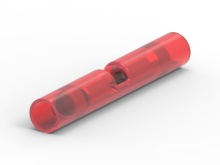
Electrical wire terminals create a clean, defined end on a conductor so it can connect reliably to another wire, a device, or a mounting point. In control panels, machinery, and field repairs, they reduce loose strands, hot spots, and weak crimps that cause faults or rework.
Online Components stocks these parts in U.S. warehouses, ships fast, and makes online ordering simple, so purchasers, technicians, and engineers can get what they need without hassle.
How to Choose the Right Electrical Wire Terminals
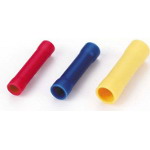
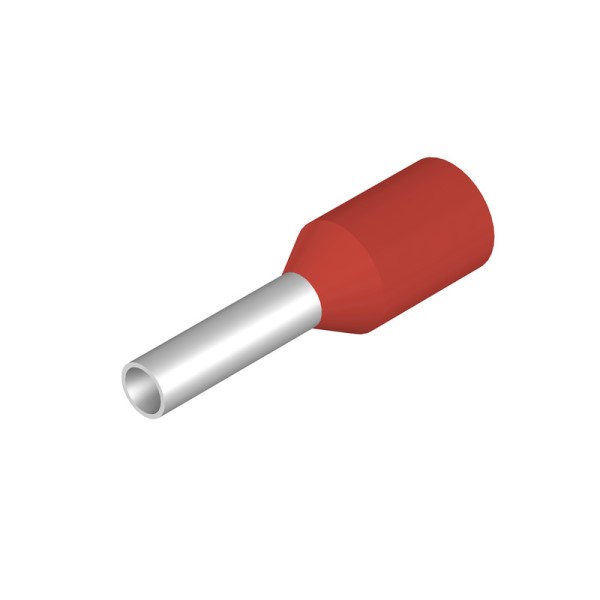
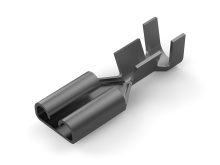
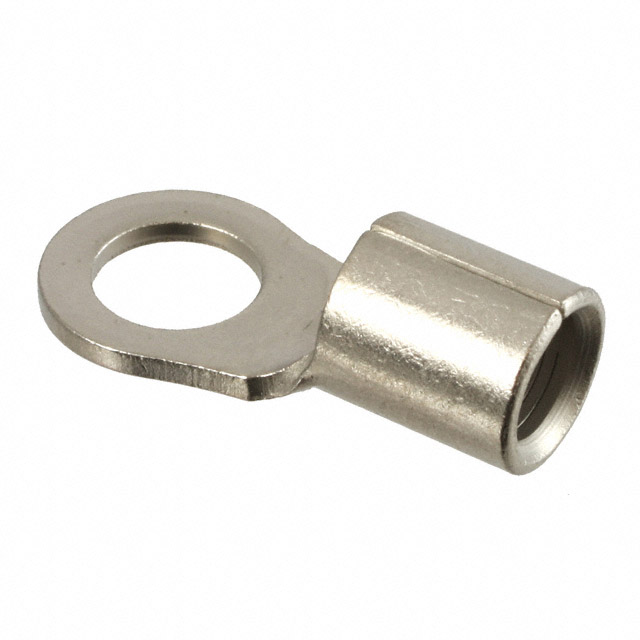
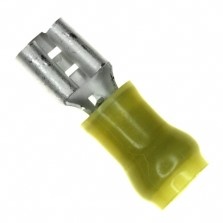
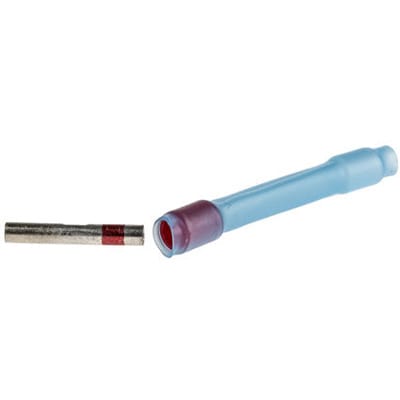
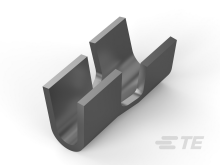
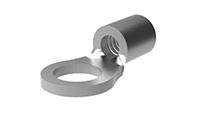
Start with the conductor details. Each crimp terminal is rated for a specific wire gauge range and conductor style, and matching those ratings means a solid connection. Connection style matters too: butt splices handle in-line joins, ferrules pair with clamp-style terminal blocks, ring-and-lug terminals anchor to studs or screws, and fork or quick-disconnect types speed up service when connections open and close regularly.
Environmental and mechanical conditions further narrow the choice. Terminals inside a clean indoor cabinet face different stresses than those near motors or outdoor enclosures. Temperature range, moisture exposure, and vibration all factor in. The current level and available space in the panel or harness also matter. Thinking through these variables helps you land on a terminal that holds up over the life of the equipment.
Popular Applications for Electrical Wire Terminals
These terminals are used wherever a reliable, serviceable wire end is needed. Panel builders and machine builders use them inside control cabinets, power sections, relay panels, and junction boxes. Maintenance crews grab them to repair damaged connectors or extend runs with minimal downtime. HVAC, lighting, and facility techs reach for the same parts when adapting or upgrading equipment on-site.
Why Buy Electrical Wire Terminals from Online Components?
Online Components pairs a large, U.S.-based inventory with strong supplier authentication, so customers know they're getting genuine, traceable parts. Competitive pricing, low minimum quantities, and a clear site search keep projects moving without extra phone calls. Fast shipping from domestic warehouses supports urgent repairs and planned builds alike. Our customer service team is responsive when questions come up, and ordering online takes just a few clicks.
Electrical Wire Terminals: What You Need to Know
What does an electrical wire terminal do?
It provides a controlled connection point at the end of a conductor, letting you attach securely to hardware, terminal blocks, or other wires. The result is consistent electrical and mechanical performance.
When should I choose a butt splice?
A butt splice fits best when two wires need to join in-line. Common scenarios include repairing a damaged cable section, extending a run, or changing wire gauge inside a harness while keeping the profile compact.
Why use ferrules with terminal blocks?
Ferrules compress flexible strands into a solid, uniform end that inserts neatly into clamp-style blocks. This maintains stable contact pressure and prevents stray strands from causing shorts or unreliable readings.
How do ring and fork terminals compare?
Ring terminals wrap completely around the stud or screw and stay captive even if the fastener loosens slightly. Fork terminals slide under a screw head for quicker installation and removal, making them a better fit when frequent service is expected.
Where do quick-disconnect terminals make sense?
They work well wherever components or subassemblies need to be unplugged for testing, transport, or service without cutting or re-crimping. Panel-mounted devices, control modules, and swap-in replacement parts are common examples.
 contact us
 English
 Chinese
 Italiano
 Portuguese
 Deutschland
 French
 Russian
 Japanese
 Turkish
 Korean
 Spanish