English
 Chinese
 Italiano
 Portuguese
 Deutschland
 French
 Russian
 Japanese
 Turkish
 Korean
 Spanish
solenoids, motors & drives

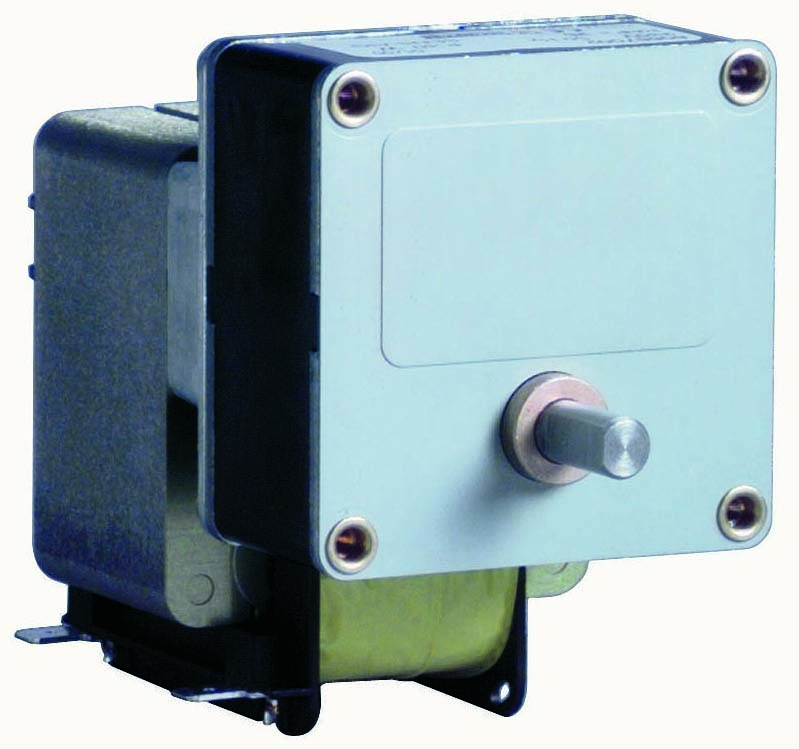
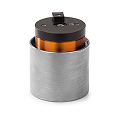
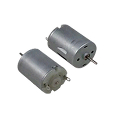

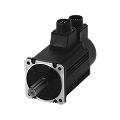
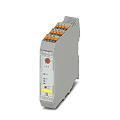
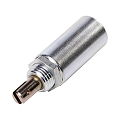
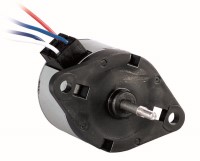
Solenoids, electric motors, and drives power modern motion control systems, converting electrical energy into predictable movement. These components deliver controlled actuation, rotation, and variable-speed operation that designers count on across mechanical and electronic assemblies. Engineers, technicians, and purchasers choose them for consistent performance in compact packages. Online Components stocks dependable U.S.-based inventory with fast shipping, so buyers can get the parts they need without long waits.
This category covers linear solenoid actuators, rotary solenoids, general-purpose electric motors, gear motors, and electric motor drives built for a range of loads and motion requirements. Specs vary quite a bit: stroke length, actuation force, torque rating, coil resistance, input voltage, and speed-control capabilities all shape which option fits a given project. Some designs call for rapid actuation with minimal power draw. Others need sustained rotary motion or adjustable speed. That variety lets customers match each component to the exact mechanical behavior their system demands.
How to Choose the Right Solenoids, Electric Motors & Drives
Start by defining the mechanical work involved. A solenoid for a spring-return latch has different force, duty cycle, and stroke needs than one used in automated machinery. Electric motors require close attention to torque, speed, and available voltage, since even small mismatches can compromise reliability. Electric motor drives add another layer: they offer different levels of speed control, soft-start behavior, or directional adjustments.
Environmental conditions matter, too. Heat, vibration, mounting orientation, and available space can all affect long-term performance. Matching electrical characteristics, such as current draw, startup surge behavior, and continuous operation needs, helps prevent unnecessary wear and keeps things stable in daily use.
Popular Applications for Solenoids, Electric Motors & Drives
Typical buyers include OEM production teams, engineering groups, automation specialists, and repair technicians. Many are working against tight deadlines or production demands, which makes reliable stock especially valuable.
These components show up in automated equipment, security devices, HVAC systems, laboratory machines, smart mechanisms, and a wide range of small appliances. A linear solenoid might control a release mechanism or valve. An electric motor may run a fan, pump, or conveyor. Drives step in when adjustable speed or tighter motion control is needed. In all these cases, consistent and predictable actuation keeps the larger system running smoothly.
Why Buy Solenoids, Electric Motors & Drives from Online Components?
Online Components keeps U.S.-based stock ready for quick shipment, helping customers avoid downtime and long lead times. Every product comes through authorized supply channels so that buyers can trust the part's authenticity and performance. Ordering is straightforward, and same-day shipping is available for in-stock items. If questions come up, our responsive support team keeps things moving for you.
Solenoids, Electric Motors & Drives: What You Need to Know
What makes a solenoid different from a motor?
A solenoid uses a magnetic coil to move a plunger or armature, producing linear or rotary motion, depending on its design. Motors generate continuous rotary motion through electromagnetic interaction between a rotor and a stator. Solenoids typically handle discrete actuation tasks, while motors are built for ongoing rotation.
What does a drive do?
A drive controls a motor's behavior by adjusting speed, torque, or rotation direction. It gives projects finer control than simple on/off switching.
How long can these components run each cycle?
That depends on the duty cycle rating. Some solenoids handle quick, momentary pulses, while certain motors support continuous operation.
Are these components sensitive to temperature?
Higher temperatures can affect coil resistance and mechanical performance. Temperature ratings matter in demanding environments.
Why does input voltage matter so much?
Voltage affects force, torque, and response consistency. Matching the specified input voltage preserves reliability and expected performance.
See More